





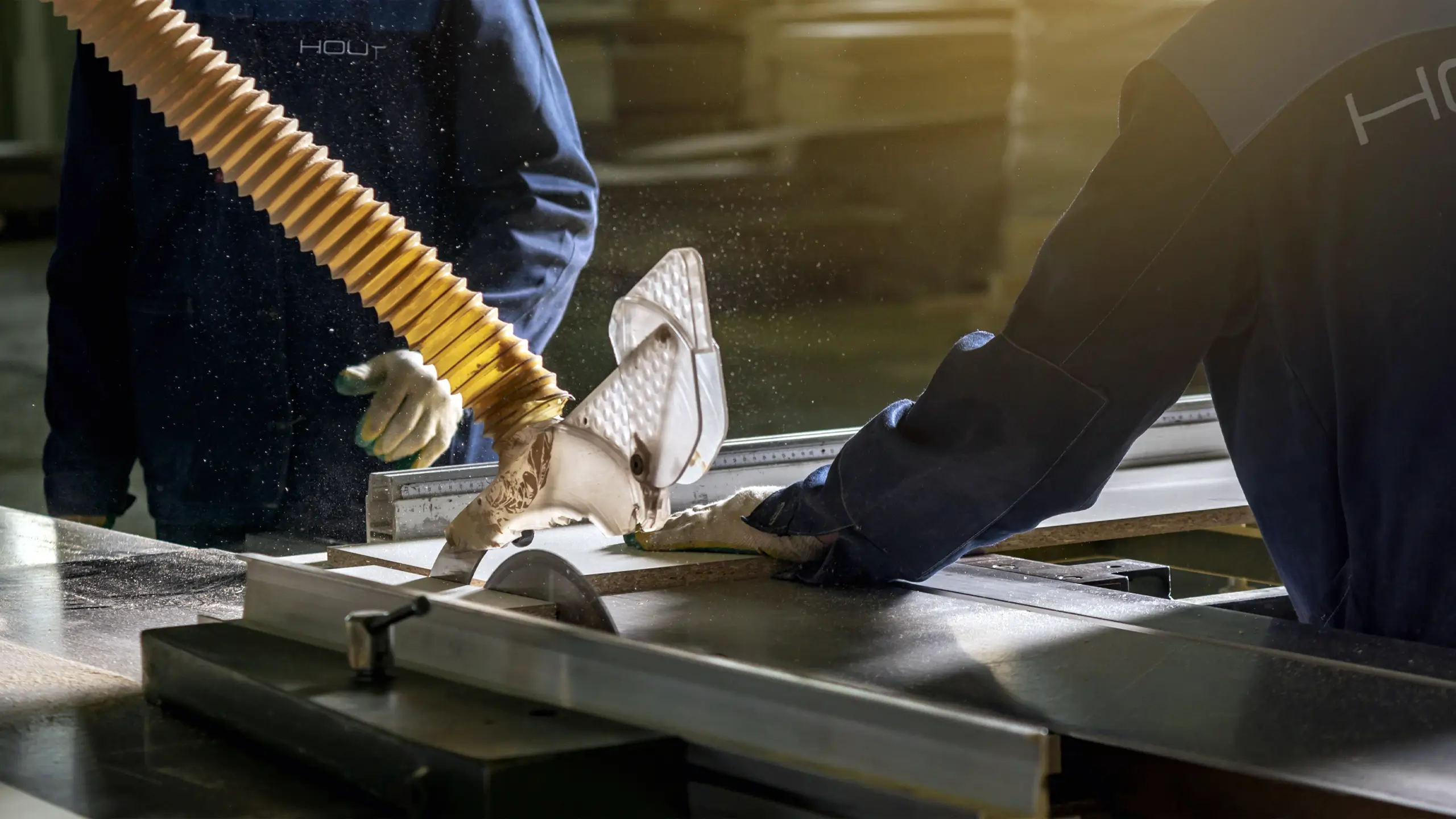




Reducing waste is a key element of sustainable business practices. For companies that rely on pallets, improving pallet utilisation not only benefits the environment but also reduces costs, increases efficiency, and strengthens brand reputation. While wooden pallets are already highly recyclable, additional measures can further extend their lifecycle and minimise waste.
Here are ten practical strategies to help your organisation reduce pallet waste and support a circular, eco-friendly supply chain.
1. Choose Durable, Reusable Pallets
Investing in strong, well-built pallets—whether new or high-grade reconditioned—extends their service life. Although the upfront cost may be higher, longer-lasting pallets reduce the need for frequent replacements, thereby lowering overall pallet expenditure.
2. Standardise Pallet Sizes
Using consistent pallet sizes across your operations improves handling efficiency, reduces mismatches, and simplifies storage and transport. Standardisation also makes reuse and recycling easier across your supply chain partners.
3. Implement a Repair and Maintenance Programme
Regular inspection and repair significantly extend pallet lifespan. Fixing minor damage early prevents pallets from becoming unsafe or unusable, keeping more pallets in circulation for longer.
4. Establish an Internal Recycling System
Not all damaged pallets need to be discarded. Set up a recycling process for sorting pallets into categories such as repair, reuse, remanufacture, or material recovery. This ensures wood components are upcycled instead of becoming waste.
5. Collaborate with Suppliers
Work with your pallet and logistics partners to optimise pallet usage. Consider return programmes, collection services, or exchange systems to ensure pallets circulate efficiently rather than piling up or being disposed of prematurely.
6. Train Staff on Proper Handling
Improper handling is one of the leading causes of pallet damage. Train employees on correct lifting, stacking, and storage methods to reduce breakage. Awareness encourages responsible use and supports your waste-reduction goals.
7. Improve Operational Handling Practices
Introduce guidelines for safe stacking, loading, unloading, and storage. Reducing rough handling and ensuring suitable warehouse conditions can decrease damage, especially for pallets used in high-traffic environments.
8. Consider Alternative Pallet Materials Where Suitable
In some closed-loop or hygiene-sensitive operations, plastic pallets may last longer and reduce waste. While plastic is not suitable for every application, longer lifespans in specific environments can contribute to waste reduction.
9. Engage Customers in Your Reuse Cycle
Encourage customers or downstream partners to return pallets for reuse, repair, or recycling. Clear communication and return policies help keep pallets within your circular system rather than losing them after distribution.
10. Track and Measure Pallet Usage
Monitor pallet movements, damage rates, repair success, and recycling outcomes. Tracking data helps identify waste hotspots and areas for improvement, enabling continuous optimisation of pallet usage.
Reducing pallet waste is not only environmentally responsible—it is a wise operational decision. By adopting these practices, organisations can cut costs, conserve materials, and enhance sustainability efforts across their supply chains.