





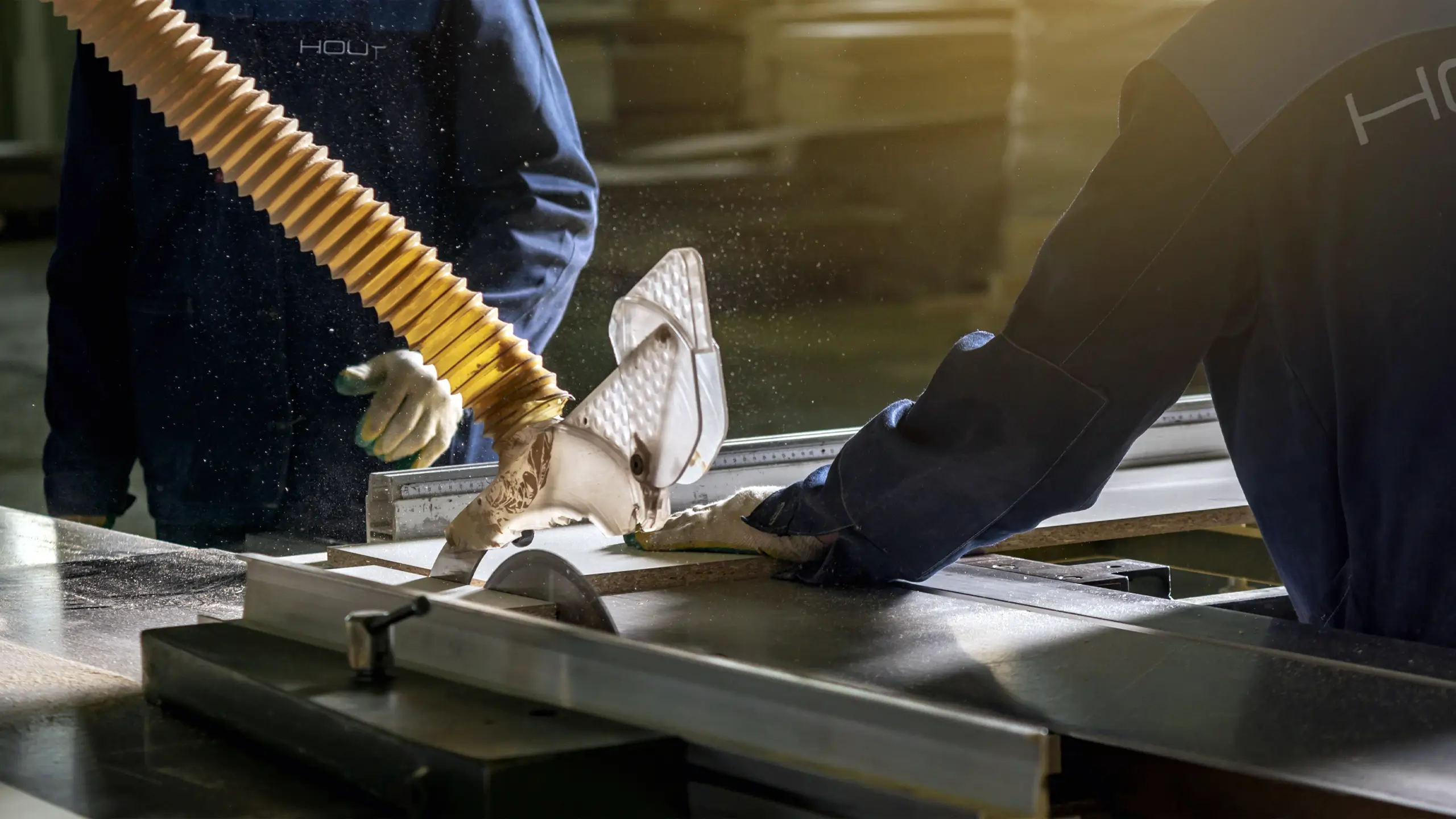




When picturing a pallet, most people imagine a simple wooden base used for moving goods. In reality, every pallet is engineered from several components that work together to support, protect, and stabilise products. One of the most crucial elements is the deck board.
Understanding how deck boards contribute to pallet performance can help businesses choose the right pallet for their specific handling, storage, and transport needs.
What Is a Pallet Deck Board?
Deck boards are the flat, horizontal boards fixed across the top and/or bottom of a pallet. They are attached to the stringers or blocks and form the load-bearing surfaces of the pallet.
- Top deck boards support and distribute the product weight placed on the pallet
- Bottom deck boards provide stability, help with stacking, and improve handling strength
Deck boards vary in size, spacing, thickness, and layout—and these details have a direct impact on how the pallet performs.
Why Do Deck Boards Matter?
The design of the deck board arrangement influences the pallet’s durability, safety, and compatibility with equipment.
Better Load Distribution
Thicker or more closely spaced deck boards spread weight more evenly, making them ideal for heavy, fragile, or unevenly distributed loads.
Safer Handling with Forklifts
Proper spacing and reinforcement help prevent products from sagging or falling through gaps during lifting or movement.
Protection of Goods
Tight deck board spacing is essential when transporting small cartons, bags, or products with pointed edges to avoid items slipping through.
Automation Performance
In automated warehouses—whether conveyors, shuttles, or robotic systems—deck board quality and placement can determine whether a pallet runs smoothly, without jams or damage.
Common Deck Board Options
Different board layouts are used depending on the product and storage method:
- Standard configuration: Approximately 90–100 mm between boards, suitable for most general-purpose loads
- Close-boarded (full coverage): Minimal spacing for small or delicate items, or export requirements
- Wide-gap deck: Allows airflow for produce or drying applications, but limits stacking and product types
Key Considerations When Selecting or Designing a Pallet
Before choosing a pallet, ask:
- What type of goods will be loaded—small, boxed, bagged, or irregular items?
- Will pallets be stacked, racked, or used in a closed-loop system?
- Which equipment will handle them—forklifts, pallet jacks, automated conveyors?
- Is custom spacing or reinforcement needed to avoid damage or inefficiency?
The design of the deck boards is far from a minor detail—it is an essential factor in ensuring product safety, efficient handling, and pallet durability. Selecting the proper deck board configuration helps optimise transport, storage, and overall supply chain performance.