


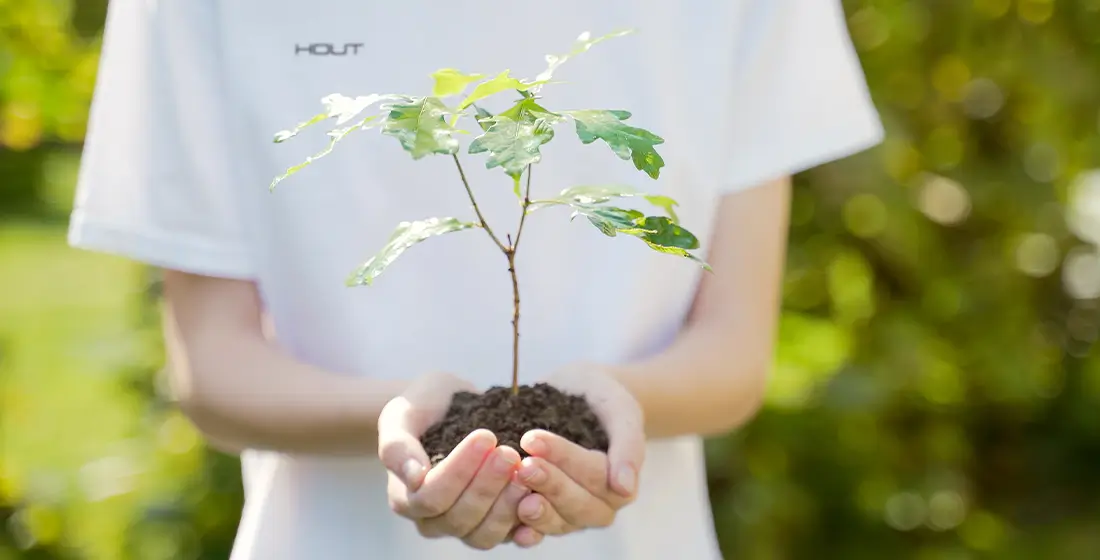





Wooden crates are often seen as an environmentally friendly packaging solution because they are reusable, repairable, and recyclable. However, not all wooden crates offer the same level of sustainability. The difference lies in how the wood is sourced and how the crate is produced.
Understanding these distinctions can help you select the option that best aligns with your organisation’s values and environmental goals.
Traditional vs Sustainable Wooden Crates
Both types of crates fulfil the same core purpose—protecting and transporting goods—but their environmental footprint differs based on the following key factors:
| Factor | Traditional Wooden Crates | Sustainable Wooden Crates |
|---|---|---|
| Wood Source | Wood may come from mixed or non-certified forests | Wood sourced from responsibly managed, FSC® or PEFC-certified forests |
| Environmental Impact | May contribute to deforestation if timber is not responsibly sourced | Supports biodiversity, forest regeneration, and ethical forestry practices |
| Production Practices | Standard manufacturing with no specific environmental standards | Produced with eco-conscious methods, reducing waste and energy use |
| End of Life | Reusable and recyclable | Reusable, recyclable, and produced with circular economy principles in mind |
| Best For | Cost-focused applications | Companies with sustainability commitments or ESG targets |
Which Option Should You Choose?
To determine the right crate for your needs, consider:
- Your sustainability goals: If your company prioritises environmental responsibility, eco-certified crates demonstrate commitment and support brand reputation.
- Industry standards: Some sectors value or require sustainable sourcing (e.g., cosmetics, food & beverage, premium goods, or businesses aligned with ESG frameworks).
- Budget: Traditional crates are often slightly more economical, but sustainable crates offer long-term value by supporting environmental compliance and reducing impact.
Both crate types offer durability, protection, and reuse potential. The biggest differentiator is responsible sourcing and manufacturing.
The Role of Certification
If sustainability is a priority, look for crates with recognised certifications such as:
- FSC® (Forest Stewardship Council)
- PEFC (Programme for the Endorsement of Forest Certification)
These labels ensure that the wood comes from responsibly managed forests that meet strict environmental, social, and economic standards.
Final Thought
All wooden crates are more sustainable than many non-renewable packaging alternatives, but choosing a certified sustainable crate takes environmental stewardship a step further. By aligning material choices with your sustainability strategy, you contribute to responsible forestry and support a circular, eco-conscious supply chain.
Selecting the right crate isn’t just about protection—it can also reflect your company’s values and long-term environmental vision.