





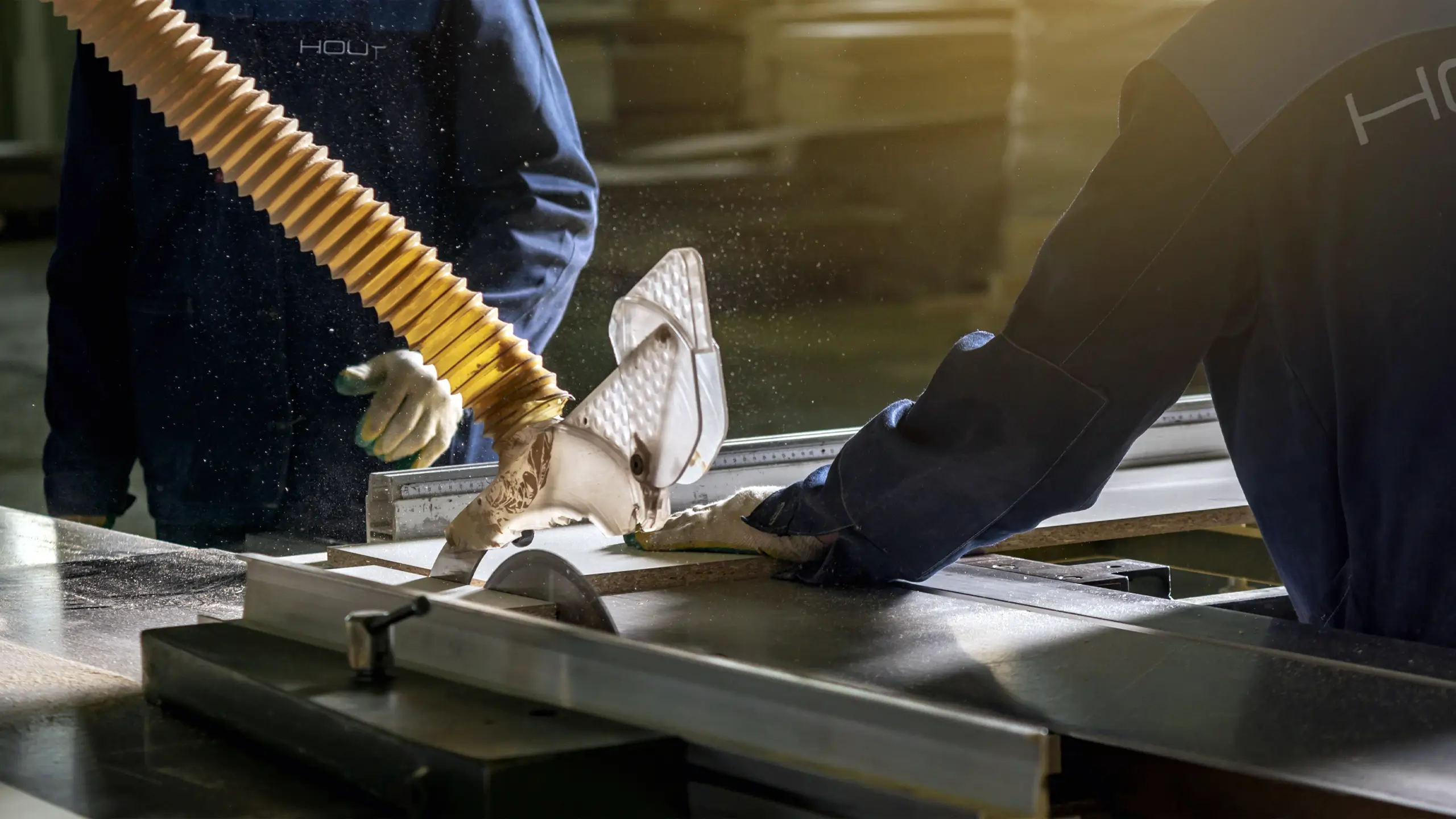




Pallets are an everyday part of warehouse and logistics operations, yet they are also a common source of workplace accidents. Injuries can range from minor cuts to serious incidents, many of which are preventable with proper handling and awareness. Promoting pallet safety is crucial to protecting staff, safeguarding products, and maintaining a safe working environment.
Why Pallet Safety Matters
Pallets may seem simple, but they can pose significant hazards in the warehouse when not used or stored correctly. Risks include:
- Improper manual handling leading to back or muscular injuries
- Splinters, cuts, or punctures from damaged wood or fasteners
- Fire and mould risks if pallets are stored in unsuitable conditions
- Pest contamination during international movement if treatment regulations are ignored
Taking pallet safety seriously helps prevent avoidable accidents, protects employee wellbeing, and ensures safe operations across the supply chain.
Safe Practices for Handling and Storing Pallets
Integrating safe behaviour into daily routines can significantly reduce risk. The following guidelines help ensure pallets are handled responsibly:
Use Caution When Dismantling or Repairing Pallets
Many injuries occur during pallet deconstruction or repair work. Use appropriate tools and PPE, and avoid makeshift methods that compromise safety.
Never Kick, Throw, or Jump on Pallets
Rough handling increases the likelihood of pallet breakage and injuries. Lift or move pallets using proper techniques or mechanical aids.
Watch for Protruding Nails or Damaged Boards
Inspect pallets before use. Remove, repair, or set aside any pallet showing signs of loose nails, rusted fasteners, cracks, or splintered wood.
Apply Correct Manual Handling Techniques
Use safe lifting methods—bend the knees, keep the back straight, and avoid twisting. When possible, use mechanical equipment such as pallet trucks or forklifts.
Store Pallets in Dry, Well-Ventilated Areas
Avoid damp or poorly ventilated storage spaces to minimise mould growth and reduce fire risk. Keep pallets away from heat sources and electrical panels.
Comply with Fire Safety Standards
Follow local fire codes for pallet storage, including spacing, stacking heights, and designated storage areas to reduce fire hazards.
Meet Export Requirements to Prevent Pest Spread
Wood pallets used for international shipments must comply with ISPM-15 heat-treatment regulations to prevent the spread of invasive pests.
Creating a Safety-First Pallet Culture
Safe pallet management requires awareness, training, and routine checks. By educating employees, enforcing proper handling techniques, and maintaining good pallet condition, organisations can significantly reduce risk. A proactive safety approach benefits both staff and the business—and makes the warehouse a safer place for everyone.
Safety starts with small actions. Implementing these guidelines will help minimise incidents and keep daily operations running smoothly and securely.