








Wooden pallets are essential to the movement of goods across Europe, yet few people know how they are actually produced. The journey from raw timber to a fully assembled pallet involves careful material selection, precise processing, and modern manufacturing techniques. Here is a clear look at how wooden pallets are made within the European market.
1. Selecting the Right Timber
The production of a wooden pallet begins with responsibly sourced timber. Pallets are typically made from a mix of hardwood and softwood, selected for strength, durability, and availability across European forestry regions.
Commonly used species include:
Hardwoods – Strength & Stability
Hardwoods such as oak, beech, and birch provide strong structural support, making them ideal for pallets that must carry heavy or fragile loads. Much of this timber comes from sawmill by-products created during furniture or construction material production, ensuring efficient use of resources.
Softwoods – Lightweight & Hygienic
Softwoods like pine, spruce, and fir offer a high strength-to-weight ratio and dry quickly, reducing the risk of moisture, mould, and pests. Their cleanliness and consistency make them an excellent choice for industries such as pharmaceuticals, food, and beverages, where hygiene is critical.
2. Preparing the Wood
Once the timber arrives from sawmills, it undergoes several processing steps:
- Cutting into cants (rough-cut wood sections)
- Trimming to required lengths
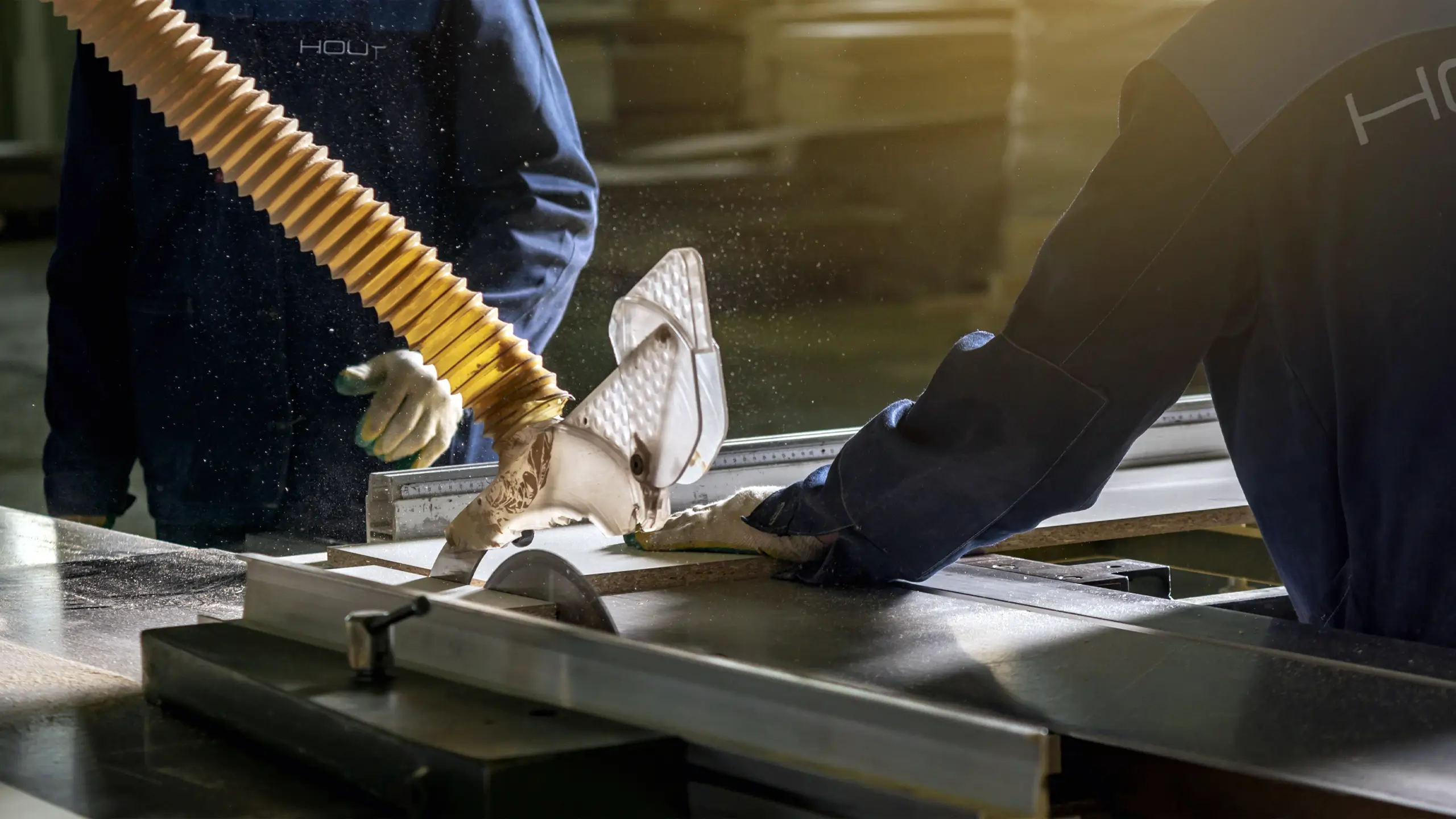
- Ripping into boards and blocks to form the pallet’s components
These components differ depending on the pallet design, such as the widely used EUR/EPAL 1200 × 800 mm pallet or custom-sized versions for specialised applications.
3. Creating the Components
The pallet's structure consists of:
- Deck boards – the top and bottom surfaces
- Stringers or blocks – the supports between deck boards
Stringers may be notched to allow 4-way forklift entry, making handling more versatile. If the pallet will be used for export outside the EU or in hygiene-sensitive sectors, it undergoes ISPM-15 heat treatment to eliminate pests and ensure compliance with international regulations.
4. Assembly and Construction
Once all components are prepared, the pallet is assembled. This can be done in two ways:
Manual Assembly
For small production batches or custom orders, skilled workers use pneumatic nailers or staplers to hand-build pallets. This approach provides flexibility for special sizes or low-volume needs.
Automated Production
Most large-scale pallet manufacturing uses automated machinery to ensure speed, consistency, and safety. Common equipment includes:
- Automatic pallet nailing machines
- Board and pallet stackers
- Robotic dismantlers and saws for recycling and repair operations
Automation helps increase efficiency, improve precision, and maintain the high-quality standards required across Europe’s supply chain.
From Timber to Trusted Transport Tool
Every wooden pallet represents a combination of natural materials, craftsmanship, and modern manufacturing technology. The result is a durable, reusable, and sustainable product that supports logistics, protects goods, and keeps Europe’s supply chains moving efficiently.
Wooden pallets continue to be an essential element of global trade—and their production reflects the balance of sustainability, innovation, and practicality that defines today’s European wood industry.