








Wooden pallets are a vital component of supply chains across Europe, but few people know how they are made or what materials they are made of. Understanding the fundamentals helps businesses make better-informed decisions when selecting pallets for transport, storage, or automated handling systems. Here is a clear introduction to the essentials of pallet composition and manufacturing.
Materials Used in Wooden Pallets
Wooden pallets are typically made from a combination of hardwood and softwood, selected for strength, durability, and availability. Because manufacturers work with timber sourced from various forestry regions, pallets are usually produced using mixed species rather than a single type of wood.
Hardwood – Strength for Heavy Loads
In Europe, common hardwoods used for pallet production include oak, beech, and birch. Hardwood offers:
- Excellent strength and durability
- High load-bearing capacity
- Strong support for fragile or heavy goods
Hardwood is often sourced from offcuts and by-products of the furniture or construction industry, ensuring efficient use of natural resources.
Softwood – Lightweight & Clean
Softwood species such as pine, spruce, and fir are also widely used due to their:
- High strength-to-weight ratio
- Faster and more efficient drying process
- Lower risk of mould and moisture retention
These features make softwood pallets particularly suitable for food, beverage, pharmaceutical, and hygiene-sensitive industries.
Step-by-Step: How Wooden Pallets Are Manufactured
The pallet production process involves precision, consistency, and careful quality control:
1. Preparing the Timber
Timber arrives from sawmills in the form of pallet cants—rough-cut wood blocks. They are:
- Cut to the required length
- Ripped into planks
- Shaped into deck boards and blocks or stringers
2. Customising Components
Depending on the pallet design, additional processing may include:
- Notching stringers for 4-way forklift entry
- Cutting boards to specific dimensions
- Heat treatment (ISPM-15) for export compliance or sanitary requirements
3. Assembly
There are two primary assembly methods:
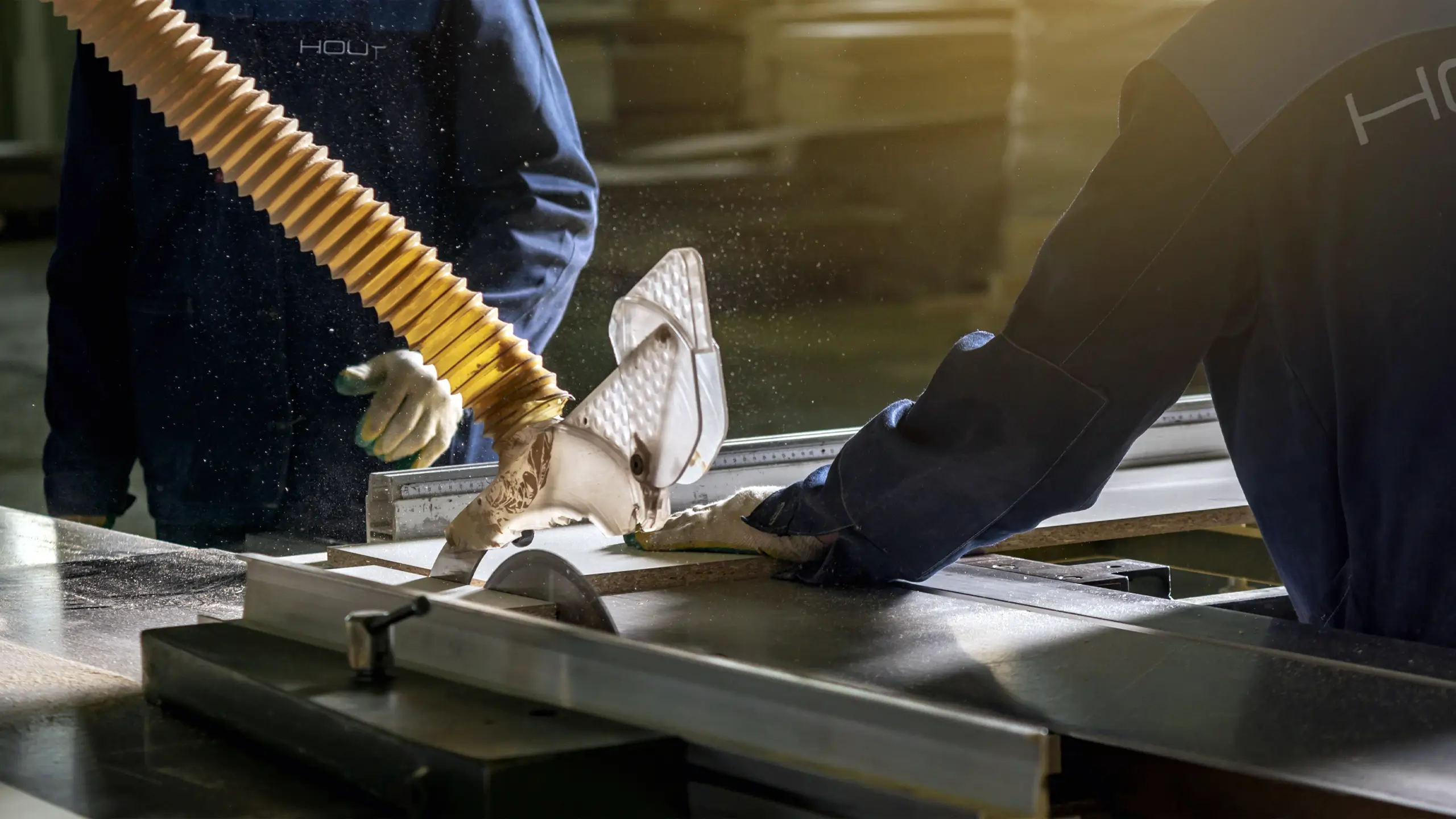
- Manual Assembly – Skilled operators use pneumatic nailers or staplers, typically for smaller orders or custom pallet sizes.
- Automated Production – High-volume orders are assembled using advanced machinery, such as:
- Automated nailing lines
- Board and pallet stackers
- Robotic dismantlers and saws for repair and recycling
Automation enhances consistency, production speed, and safety while ensuring pallets meet strict performance standards.
From Raw Timber to Reliable Transport Tool
Pallet manufacturing combines natural materials, engineering expertise, and modern production technology. The result is a strong, sustainable, and versatile product that ensures goods move safely and efficiently through supply chains across Europe.
With a better understanding of how wooden pallets are made, businesses can choose the most suitable pallet type for their logistics needs—balancing strength, sustainability, and cost-effectiveness.