








When pallets reach the end of their usable life, many organisations still dispose of them as waste. However, recycling offers a far more responsible and resource-efficient alternative. By integrating pallet recycling into your supply chain, you contribute to environmental protection, support circular economy practices, and unlock value for your business.
Here’s why pallet recycling matters—and the key environmental benefits it brings.
Why Recycling Pallets Is So Important
Both wooden and plastic pallets require significant raw materials and energy to produce. Wood pallets rely on timber, and plastic pallets are made from petroleum-based materials such as HDPE or PP. Manufacturing either type has an environmental footprint—so reducing the demand for new materials is essential for sustainability.
Recycling extends the life of existing pallets and reduces the pressure on natural resources, energy use, and waste streams within the supply chain.
4 Major Environmental Benefits of Pallet Recycling
1. Conservation of Natural Resources
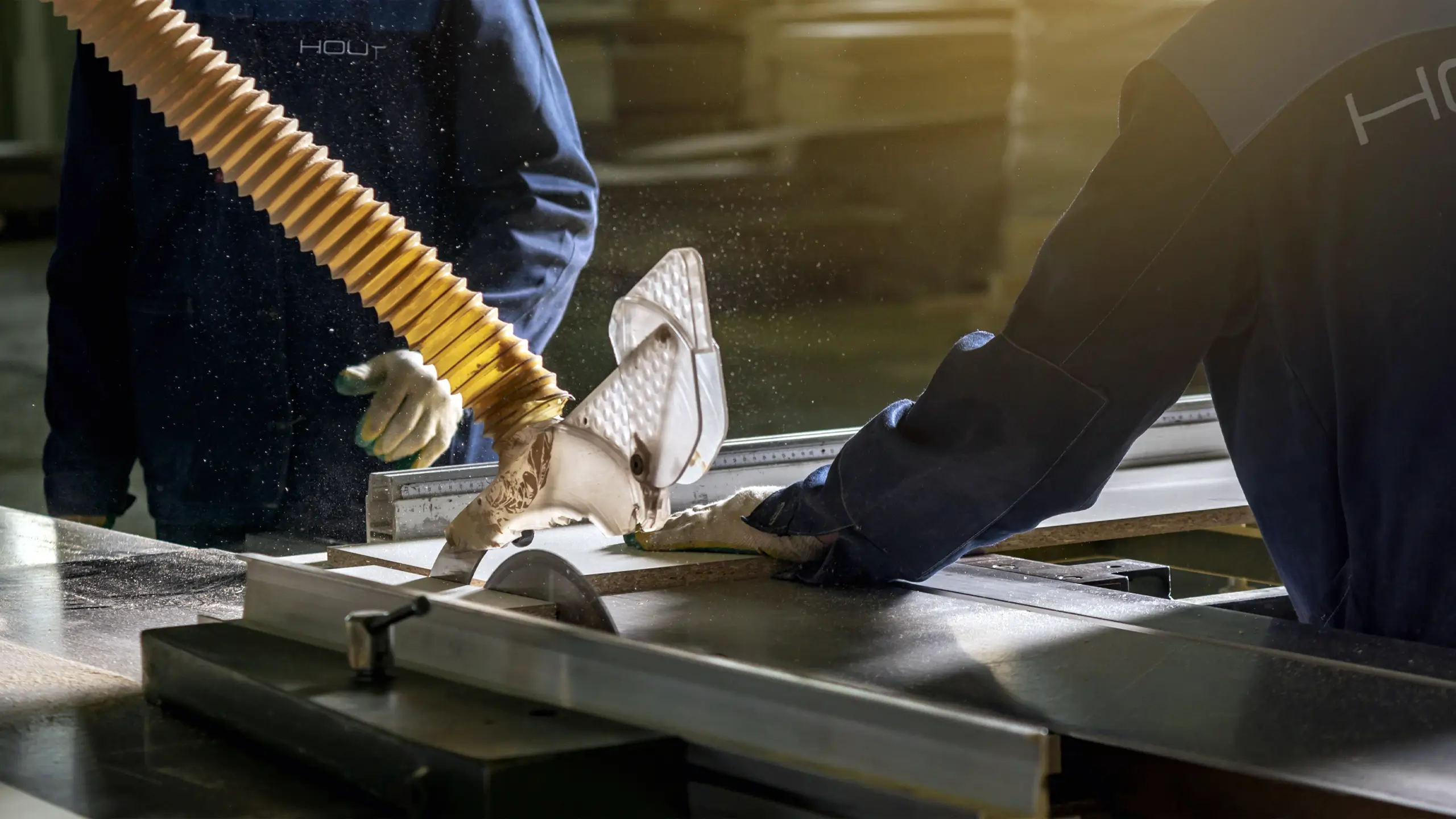
Recycling reduces the need for freshly harvested timber or newly produced plastics. By returning pallets into circulation—either through repair, reconditioning, or remanufacture—fewer raw materials are consumed. This supports responsible forestry and preserves resources for future generations.
2. Reduction of Landfill Waste
Pallets that are repaired, reused, or recycled avoid landfill disposal. Wooden pallets can be refurbished many times, and once they can no longer be repaired, the wood can be converted into biomass fuel, mulch, animal bedding, or other secondary products. This keeps valuable material in use and significantly cuts waste.
3. Lower Energy Use and Emissions
Producing new pallets requires energy, labour, and transportation—all of which generate emissions. Recycling keeps pallets in circulation longer and reduces manufacturing demand, resulting in:
- Fewer greenhouse gas emissions
- Lower energy consumption
- Reduced environmental impact across the entire supply chain
4. Reduced Transportation Impact
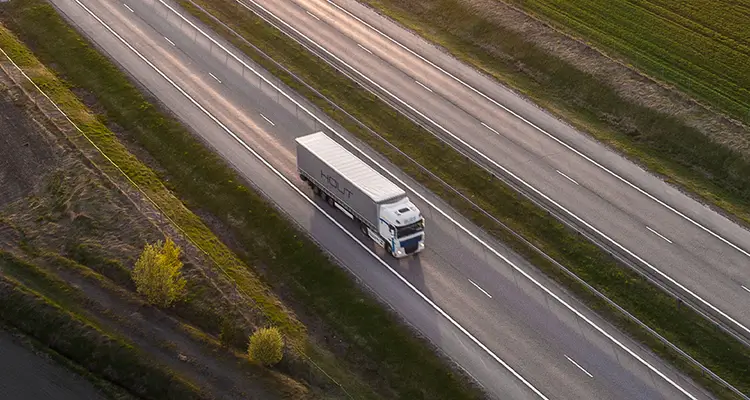
When fewer new pallets are produced, the need for transporting raw materials and newly manufactured pallets decreases. This reduction in transport supports cleaner logistics by cutting fuel use and emissions linked to long-distance delivery of timber and plastic materials.
A Smarter Supply Chain Through Recycling
Recycling pallets does more than protect the environment—it also supports a circular business model, reduces operational costs, and strengthens sustainable brand practices. By repairing, reusing, and repurposing pallets wherever possible, companies contribute to a cleaner, more efficient, and more responsible supply chain.
Recycling is a small change that delivers a large impact—for your business, your customers, and the planet.