





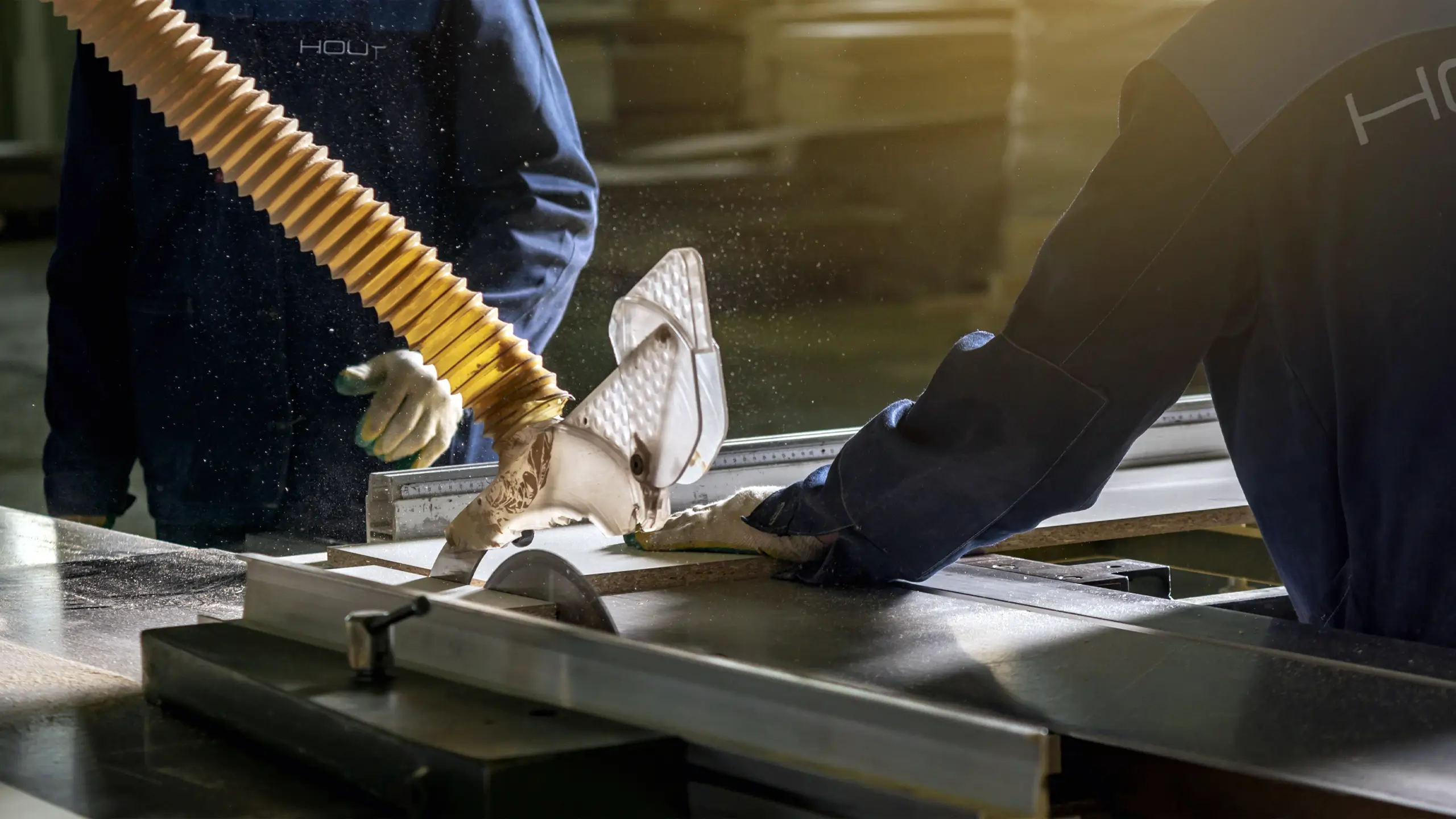




One of the most common questions in the pallet industry is: What type of wood is used to manufacture wooden pallets? While all pallets are produced from solid timber, the wood itself is rarely sourced from a single species. Instead, pallets are typically made using a mix of softwood and hardwood, depending on regional availability, sustainability practices, and performance requirements.
Across Europe, the choice of lumber varies by country and forestry resources. Rather than focusing on specific species, pallet manufacturers generally classify timber by strength, density, and suitability for the intended application.
Hardwood vs Softwood: How Timber Is Selected
Because Europe has diverse forestry regions, mills and pallet manufacturers work with locally available species. Instead of naming exact types of wood, producers rely on grading systems that categorise timber by durability and density. Both hardwoods and softwoods play essential roles.
Hardwood: Strength for Heavy Loads
Hardwood is prized for its robustness and ability to support heavy or fragile products. In Europe, beech, oak, and birch are among the most commonly used hardwoods for pallet manufacturing.
Why is hardwood used?
- High strength and durability, suitable for demanding loads
- Excellent stability, even under repeated use
- Often sourced as a by-product of the furniture and construction industries, ensuring efficient material use
High-density hardwood pallets are ideal for transporting industrial machinery, fragile goods, and products requiring strong structural support.
Softwood: Lightweight, Clean, and Easy to Handle
Softwoods such as pine, spruce, and fir are commonly used for their favourable strength-to-weight ratio and consistent quality. Softwood dries more quickly, reducing the risk of contamination from moisture, mould, or pests—an essential factor for hygiene-sensitive sectors.
Key benefits of softwood pallets:
- Lighter weight, improving manual handling and transport efficiency
- More uniform moisture content, supporting sanitary requirements
- Easier to heat-treat (ISPM-15) for international export
- Cost-efficient and widely available across European forestry markets
Softwood-based pallets are especially suitable for industries such as food and beverage, pharmaceuticals, retail, and fast-moving consumer goods, where cleanliness, weight, and consistency are crucial.
A Balanced and Sustainable Approach to Timber Use
The European pallet industry places a strong focus on sustainability. Timber for pallets is typically sourced from:
- Responsibly managed European forests
- Saw-mill offcuts and by-products, ensuring minimal waste
- Recycled pallet components, supporting circular economy principles
By using both hardwood and softwood blends, manufacturers strike the right balance between strength, cost efficiency, hygiene, and sustainability.
Wood remains the material of choice for pallets in Europe due to its natural strength, renewable origin, and ability to be repaired, reused, and recycled. Whether crafted from hardwood, softwood, or a combination of both, wooden pallets continue to provide an efficient and environmentally responsible solution for transporting goods across European supply chains.