








Transforming, repairing, cutting, or dismantling wooden pallets inside a warehouse can generate significant amounts of wood dust. While often overlooked, wood dust is more than a housekeeping issue—it can pose serious health and fire hazards if not properly managed.
Understanding the risks and implementing effective control measures will help create a safer working environment for everyone involved.
Fire and Combustion Risks
Wood is naturally flammable, but fine wood dust can be even more dangerous. When dispersed into the air in sufficient concentration, wood dust can become combustible and ignite from:
- Sparks or faulty electrical equipment
- Heat sources
- Smoking or open flames
- Friction from tools or machinery
If dust accumulates on surfaces, it increases the risk of a flash fire spreading quickly. Preventing dust accumulation is essential for maintaining warehouse safety.
Health Risks of Wood Dust Exposure
The dangers of wood dust extend beyond the wood itself. Dust may also contain:
- Fungi or mould spores
- Bacteria or pests from previously used pallet wood
- Chemicals or coatings the wood has come into contact with
Prolonged or unprotected exposure can cause:
- Irritation of the eyes, nose, throat, and skin
- Asthma and other respiratory issues
- Allergic reactions
Certain hardwood dusts may also carry long-term health risks if inhaled regularly. Protecting workers from exposure is therefore a key responsibility for any warehouse operating with timber or pallets.
How to Reduce and Control Wood Dust
Good warehouse management and dust control systems help maintain safe air quality and minimise risk. Effective prevention methods include:
Regular Cleaning and Dust Removal
Implement a schedule for dust extraction, surface wiping, and vacuuming (avoid sweeping, which spreads dust).
Ventilation and Dust Collection Systems
Use proper ventilation, extraction fans, or centralised dust collection systems near cutting or dismantling workstations.
Safe Working Practices
- Limit or isolate wood-cutting and pallet dismantling areas
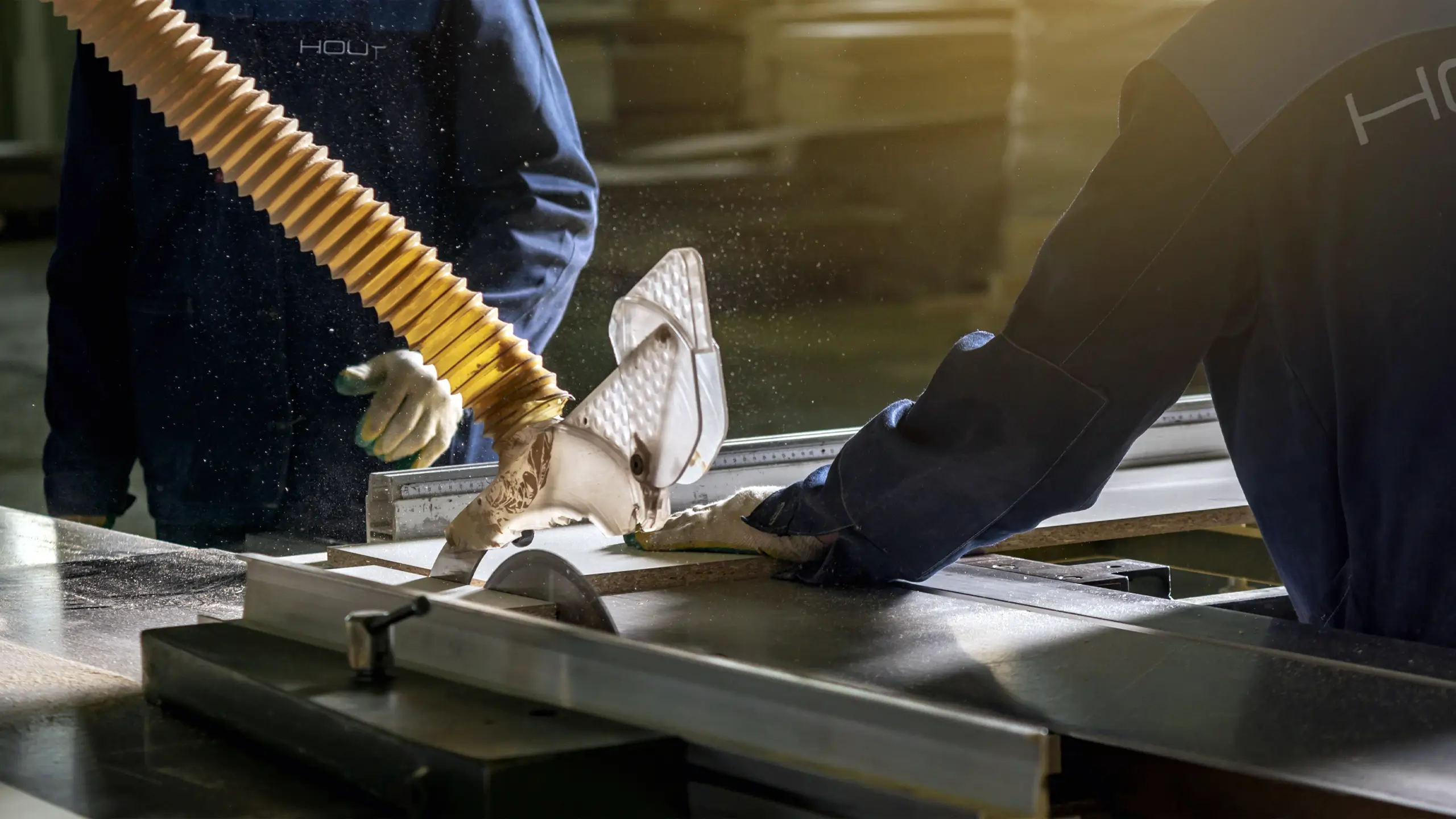
- Use tools and equipment fitted with dust collection attachments
- Provide PPE, such as respiratory masks, gloves, and eye protection
Set Safety Standards
While specific limits may vary across regions, the goal is to keep airborne dust levels as low as reasonably possible to protect workers.
When to Outsource Pallet Repair or Recycling
If pallet dismantling, cutting, or refurbishing is not a core part of your operations, outsourcing these processes can significantly reduce dust hazards. Working with a responsible pallet recycling or recovery partner helps remove high-dust activities from your facility, improving workplace safety and cleanliness.
Creating a Safer, Cleaner Warehouse
Wood dust is a manageable risk—as long as organisations stay proactive. By implementing proper controls, maintaining cleanliness, and providing suitable equipment and training, businesses can protect staff, reduce fire hazards, and ensure a healthier working environment.
A safe warehouse is a productive warehouse, and small steps toward better dust management can make a significant difference.